Tag: Travel Tips

  • Why It’s “Too Hot to Fly” in Las Vegas, and What Smart Travelers Should Do About It

    Why It’s “Too Hot to Fly” in Las Vegas, and What Smart Travelers Should Do About It

    Why It’s “Too Hot to Fly” in Las Vegas, and What Smart Travelers Should Do About It

    If you’ve ever heard someone say, “It’s too hot for planes to fly,” it sounds ridiculous.

    After all, airplanes fly through deserts every day.

    But this week in Las Vegas, it became reality.

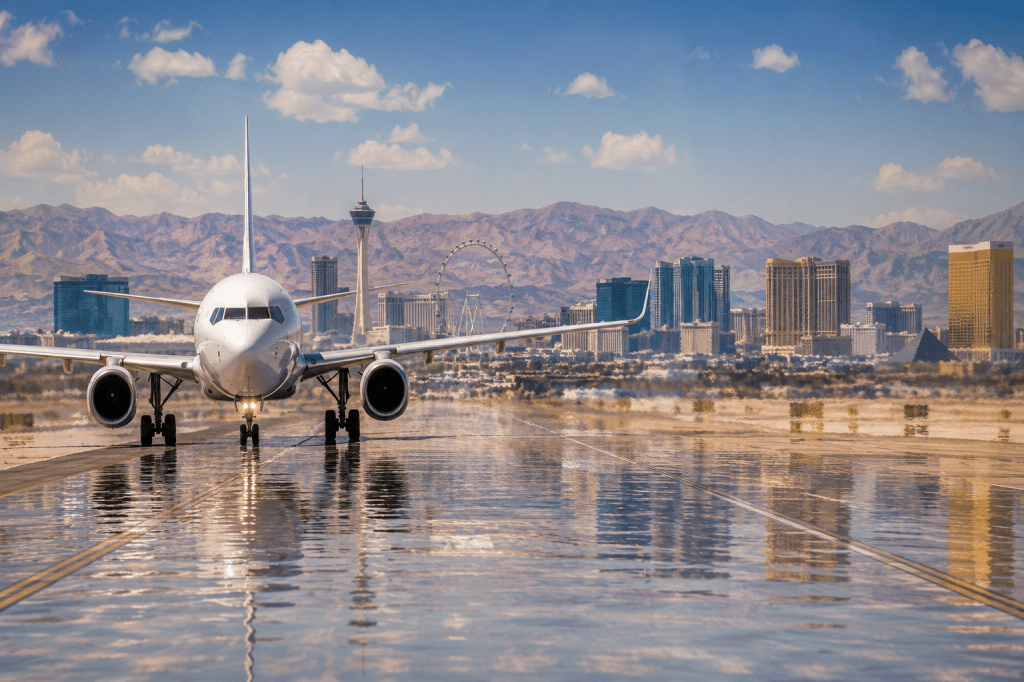
    As temperatures climbed well above 110°F, several flights at Harry Reid International Airport were delayed, and in one widely reported case, passengers were actually asked to volunteer to get off the airplane because it was too heavy to safely depart in the extreme heat.

    I’m actually in Las Vegas this week for the Summer Las Vegas Market, and let me tell you, it’s brutally hot outside. Walking between buildings feels like opening an oven door.

    So what’s really happening?

    The Science Is Actually Pretty Simple

    Airplanes fly because their wings generate lift.

    The hotter the air gets, the less dense it becomes. Think of it as the air becoming “thinner.” Thin air doesn’t give the wings as much to push against, and jet engines also produce slightly less thrust. The result is that airplanes need more runway and more speed before they can safely lift off.

    If the aircraft is carrying too much weight, there may not be enough runway available to safely accelerate and climb.

    That’s when airlines have a few options:

    • Delay the flight until temperatures cool.
    • Offload cargo or baggage.
    • Reduce fuel and make a fuel stop later.
    • Ask passengers to volunteer to take a later flight.

    Safety always wins.

    Las Vegas Makes It Even Harder

    Las Vegas is already challenging because of its desert climate.

    Now combine:

    • Temperatures over 110°F.
    • A busy airport with constant departures.
    • Aircraft loaded with passengers, luggage, and fuel.

    It’s the perfect recipe for weight restrictions. Fortunately, Harry Reid has one of the longest runways in the country, which helps, but even that has limits during extreme heat.

    Here’s the Real Travel Lesson

    The weather itself isn’t the story.

    Preparation is.

    One thing I’ve learned after hundreds of flights is that the travelers who recover the fastest are usually the ones who knew there was a problem before everyone else.

    Don’t just check the weather where you’re leaving.

    Check:

    • Your departure city.
    • Your connection city.
    • Your destination.

    A thunderstorm in Denver can affect your flight from Philadelphia to Salt Lake City. Extreme heat in Las Vegas can impact departures all afternoon.

    Weather anywhere in your aircraft’s journey can become your problem.

    The Biggest Mistake Travelers Make

    When a flight gets canceled, something interesting happens.

    Every single person on your airplane is suddenly trying to get to the exact same destination you are.

    If 180 passengers are stranded, they’re all competing for the same handful of available seats.

    That’s why speed matters.

    If you’ve already been watching your flight, already know your alternate flights, and already have the airline app open, you can often rebook before half the cabin has even stood up.

    I’ve seen travelers spend twenty minutes waiting in line at the gate while someone sitting in Row 22 has already secured the last available seat on the next departure using the airline’s app.

    My Advice

    Weather is one of the few things airlines can’t control.

    What you can control is your awareness.

    Know what’s happening before you leave for the airport.

    Watch your inbound aircraft.

    Know your backup flights.

    If things start going sideways, act quickly.

    In travel, information is often your biggest advantage.

    Travel Smart,

    Tommy Pags
  • Frequent Flyers vs. Vacation Travelers: Why Airports Sometimes Feel Like Two Different Worlds

    Frequent Flyers vs. Vacation Travelers: Why Airports Sometimes Feel Like Two Different Worlds

    Frequent Flyers vs. Vacation Travelers: Why Airports Sometimes Feel Like Two Different Worlds

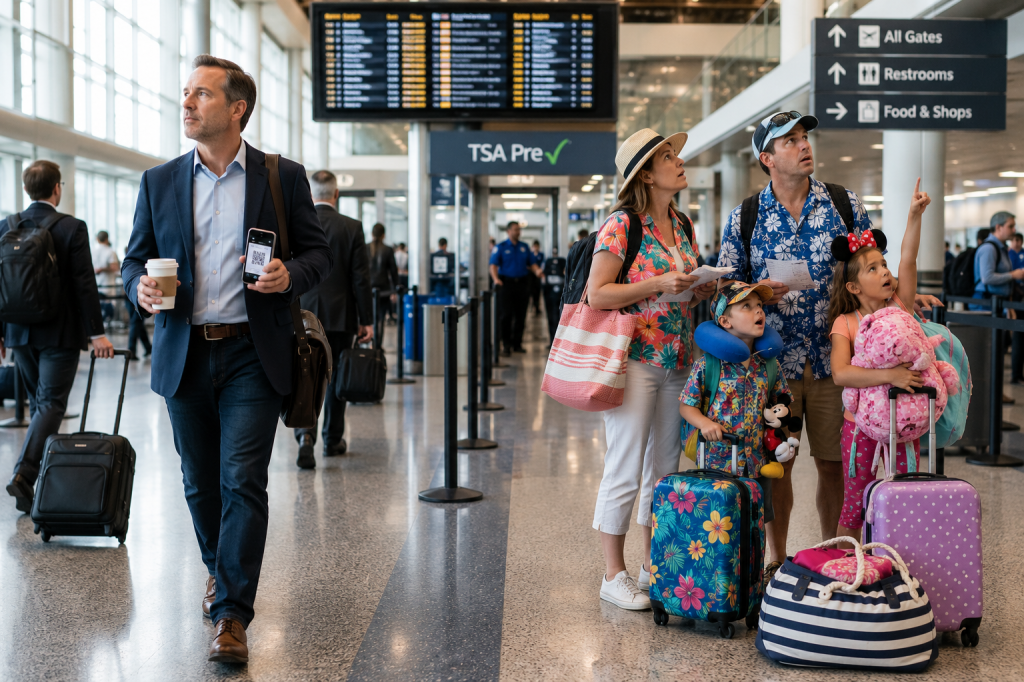
    If you’ve ever gotten “the look” at the airport, don’t take it personally.

    You know the one.

    You’re standing at the front of the TSA line when you suddenly realize your laptop is buried underneath three sweatshirts, your water bottle is still full, your boarding pass disappeared somewhere between the parking garage and security, and now an entire line of people is standing behind you.

    Meanwhile, somewhere back there is a frequent flyer quietly thinking…

    “Please… not today.”

    Here’s the thing.

    They’re probably not mad at you.

    They’re just trying to get home.

    There Are Really Two Different Airports

    One of the funny things about flying is that everyone is using the same airport, but they’re having completely different experiences.

    For the occasional traveler, flying is an event.

    It’s vacation.
    It’s Disney.
    It’s visiting Grandma.
    It’s the cruise you’ve been counting down to for six months.

    Everything is exciting. You have time to browse the gift shops, admire the giant art installations, grab a cinnamon roll, and look out the windows at the airplanes.

    There’s nothing wrong with that.

    In fact, I hope you enjoy every minute of it.

    Frequent flyers, however, live in an entirely different world.

    We’re usually flying for work.

    We’ve already spent several days away from home, slept in hotels, attended meetings, rented cars, and eaten one too many airport meals. By the time we’re heading home, there’s only one thing on our minds:

    Get. Me. Home.

    Airports Become Muscle Memory

    When you fly every week, airports stop feeling like airports.

    They become routines.

    You already know which security checkpoint moves faster.

    You know which escalator to take.

    You know which restroom is usually empty.

    You know which coffee line isn’t worth waiting in.

    You know exactly when boarding starts, when overhead bins fill up, and where to stand without blocking everyone else.

    You’re not trying to rush because you’re impatient.

    You’re moving on autopilot.

    Think about walking through your own grocery store.

    You don’t stop to admire the cereal aisle every week.

    You already know exactly where everything is.

    Airports become that familiar.

    The Biggest Slowdown Isn’t Walking

    It’s uncertainty.

    Confusion creates delays.

    Someone isn’t sure whether liquids stay in the bag.

    Someone forgot they have a full bottle of water.

    Someone reaches the X-ray belt and suddenly starts reorganizing their entire suitcase.

    Someone waits until they’re standing in the aircraft doorway before deciding which overhead bin to use.

    None of those things are a big deal individually.

    But multiply them by hundreds of travelers every day, and suddenly flights board slower, security lines back up, and connections become tighter for everyone.

    The Plane Door Is Not the Best Time to Make Decisions

    Every frequent flyer has experienced this moment.

    The boarding line moves smoothly.

    Everything is perfect.

    Then someone steps onto the aircraft…

    …and stops.

    They look left.

    They look right.

    They examine every overhead bin.

    They take off a backpack.

    Then put it back on.

    Then take it off again.

    Meanwhile, forty people behind them have come to a complete stop.

    We’ve all laughed about it because we’ve all seen it.

    Again, nobody is angry because someone is new.

    It’s simply that everyone behind them has been standing in line for fifteen minutes and now the entire airplane has paused while decisions are being made.

    A Little Preparation Goes a Long Way

    If you don’t travel often, don’t worry.

    Nobody expects you to know every airport procedure.

    But there are a few things that make life easier for everyone:

    • Have your ID and boarding pass ready before you reach the TSA officer.
    • Empty your pockets before you get to the scanner.
    • Know whether your airport requires laptops or liquids to come out.
    • Finish your water before security.
    • Once you reach your airplane row, put your bag away and move into your seat so the next person can keep moving.

    These aren’t unwritten rules designed by impatient business travelers.

    They’re simply habits that keep thousands of people moving efficiently.

    Frequent Flyers Can Do Better Too

    Let’s be fair.

    Frequent flyers aren’t always innocent.

    Sometimes we forget that not everyone flies fifty times a year.

    Sometimes we’re impatient.

    Sometimes we sigh a little louder than necessary.

    Sometimes we forget that our routine is someone else’s once-a-year adventure.

    That family taking pictures at the gate?

    Those kids seeing airplanes up close for the first time?

    That retired couple heading to Hawaii?

    Good for them.

    I genuinely hope they have an incredible trip.

    A little patience works both ways.

    The Bottom Line

    If a frequent flyer seems frustrated, chances are it isn’t about you personally.

    They’re probably thinking about getting home after another week on the road.

    They’re thinking about dinner with their family.

    Their kids’ baseball game.

    Sleeping in their own bed.

    Likewise, if you’re an occasional traveler, remember that the people moving quickly around you probably aren’t trying to be rude.

    They’re simply operating in a world they’ve learned through hundreds of flights.

    We’re all trying to reach the same destination.

    Some of us are just taking our fiftieth flight this year, while others are taking our first.

    A little awareness, a little patience, and maybe a little humor make the airport a better place for everyone.

    After all, whether you’re headed to an important business meeting or the vacation of a lifetime, we’re all hoping for exactly the same thing:

    An on-time departure, an empty middle seat, and a baggage carousel that actually delivers our suitcase first.


    Travel smart,

    Tommy Pags

  • Disney’s Food Prices Keep Rising. Here’s How to Enjoy the Magic Without Overspending.

    Disney’s Food Prices Keep Rising. Here’s How to Enjoy the Magic Without Overspending.

    Disney’s Food Prices Keep Rising. Here’s How to Enjoy the Magic Without Overspending.

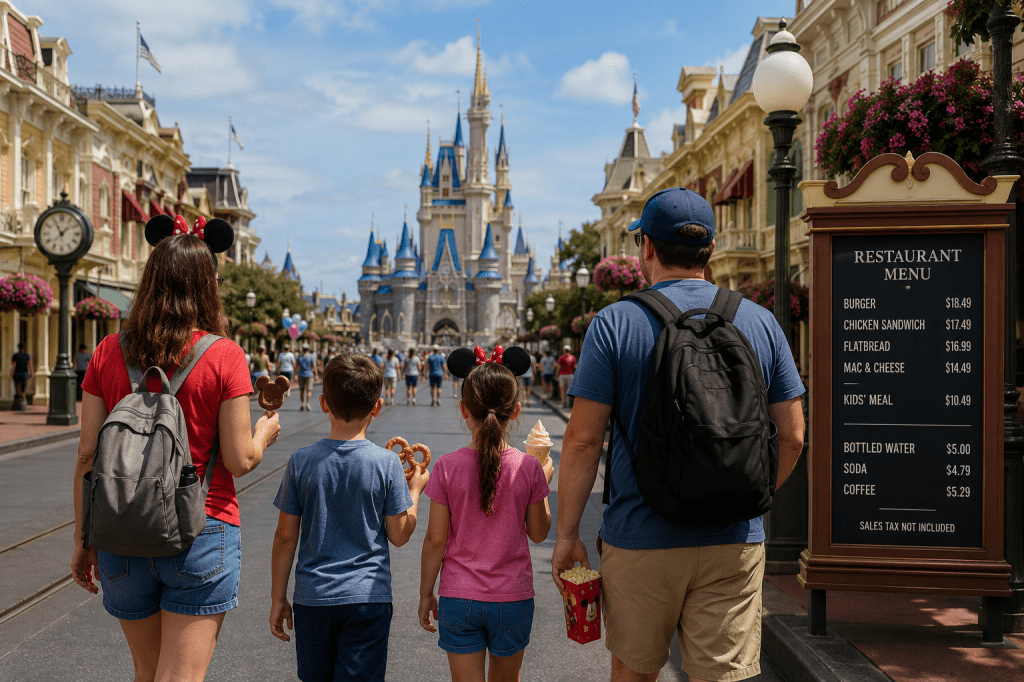
    Disney fans are once again reacting to higher food and beverage prices inside the parks. While the headlines focus on another round of menu increases, the bigger story is one that longtime Disney visitors have been watching for years.

    As someone who has visited Disney countless times, held annual passes, hunted Hidden Mickeys, and watched the parks evolve over decades, I don’t see this as a surprise. Disney has been changing since the day Walt Disney opened Disneyland. Some changes have made the parks better. Others have taken them further away from Walt’s original vision.

    One of Walt Disney’s biggest lessons came from Disneyland itself. After seeing hotels, businesses, and commercialization grow right up against the park, he made sure Walt Disney World would control the entire guest experience. Once you entered Disney property, the outside world disappeared.

    Today, you can grab a Starbucks coffee right on Main Street, U.S.A. Whether you see that as progress or compromise, it shows just how much Disney has evolved.

    Why This Matters

    I remember when an annual pass cost well under $200. Today, many annual pass options cost well over $1,000. Admission prices have increased, hotels have become more expensive, and food prices continue to climb right alongside them.

    Some of that is simply reality. Labor costs, ingredients, transportation, and operating expenses have all gone up. Businesses have to make money, and Disney is no exception.

    The question isn’t whether prices should increase. It’s whether families still feel they’re getting good value for what they’re spending.

    That’s where many longtime Disney fans have started to push back.

    Disney has always been about creating memories for families. While profitability is important for any company, guests also want to feel like they’re receiving value in return. As prices continue to rise across tickets, hotels, and dining, many families are beginning to rethink how they spend their vacation dollars.

    My Take

    I don’t think the answer is to stop going to Disney.

    I also don’t think every price increase is unreasonable. Costs go up, and businesses have to adapt. That’s just reality.

    Where I think Disney has lost some balance is in affordability. There was a time when the parks felt more accessible to the average family. Today, a Disney vacation often requires months or even years of planning and saving.

    The magic is still there. The memories are still there. But it feels like Disney is asking families to pay more and more each year for the same experience.

    As someone who has spent a lot of time at Disney over the years, I still love visiting. I simply think families need to be smarter about where they spend their money while they’re there.

    Travel Smart Tip

    Here’s the good news: you don’t have to eat every meal inside Disney.

    In fact, I don’t recommend it.

    Character dining is absolutely worth budgeting for. Those meals create memories you’ll remember forever, especially if you’re traveling with younger children. Keep those special experiences.

    But not every breakfast, lunch, and dinner needs to come with Disney pricing.

    Remember, Orlando isn’t just a vacation destination. It’s also a city where people live every day. There are grocery stores just minutes from Disney property, and taking advantage of them can save your family hundreds of dollars over the course of a trip.

    Even if your hotel room doesn’t have a full kitchen, most have a small refrigerator. I always recommend picking up yogurt, fresh fruit, bottled water, juice, snacks, and other grab-and-go breakfast items. A simple breakfast in the room gets everyone fueled for the parks and can save a family well over $100 before the day even begins.

    Another option many travelers overlook is Uber Eats.

    Yes, you’ll pay a delivery fee, but compare that with the cost of feeding a family at a Disney table-service restaurant. In many cases, you’ll still spend significantly less. Whether you’re ordering groceries when you arrive or bringing in dinner after a long day in the parks, it’s an easy way to stretch your vacation budget.

    Spend your money on the experiences that truly make a Disney vacation special. Enjoy the character breakfast. Grab the Mickey-shaped snack. Cool off with a Dole Whip. Book that memorable family dinner you’ve been looking forward to.

    Then balance those experiences with smarter choices everywhere else.

    Bottom Line

    Disney vacations aren’t inexpensive, and they probably never will be again.

    But rising prices don’t have to ruin the experience.

    With a little planning, a grocery stop, and the occasional Uber Eats order, you can still enjoy everything that makes Disney magical while keeping your food budget under control.

    That’s what traveling smart is all about.

    Travel Smart,

    Tommy Pags

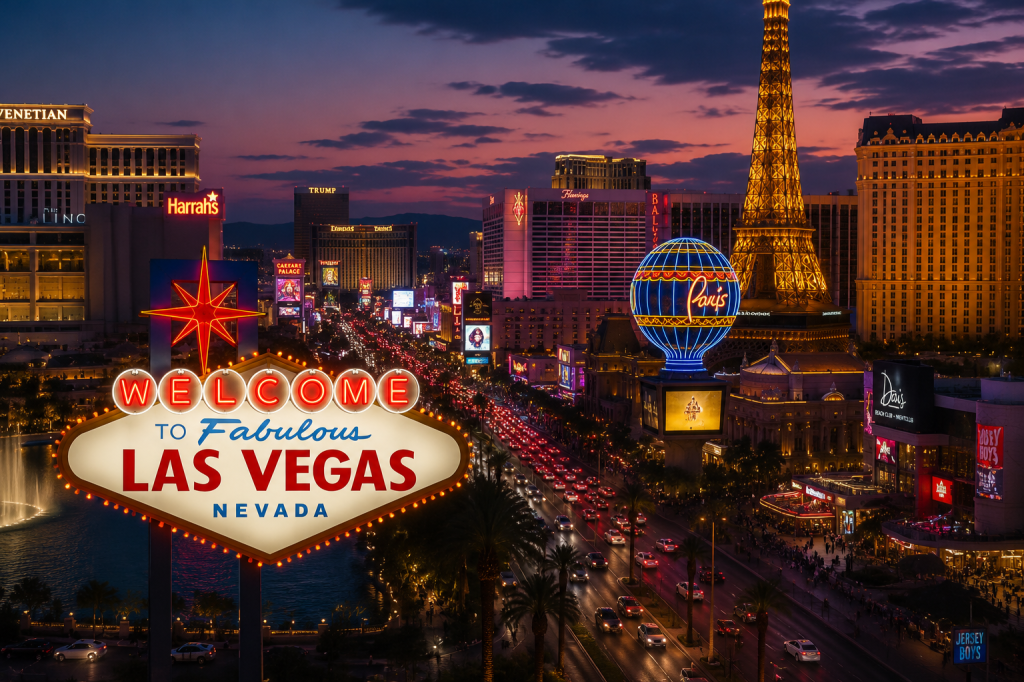
  • Las Vegas Forgot What Made It Special

    Las Vegas Forgot What Made It Special

    Las Vegas Forgot What Made It Special

    When the city stops delivering value, travelers start looking elsewhere.

    Las Vegas and I have a complicated relationship.

    I travel there several times a year for work. I’ve stayed in many of the major resorts, eaten at countless restaurants, walked miles of casino floors, and spent enough time on the Strip to know it beyond the typical vacation experience.

    Here’s the thing.

    I’m not much of a gambler.

    So when I visit Las Vegas, I’m looking at it through the eyes of a traveler, not someone trying to hit a jackpot.

    And over the past few years, I’ve noticed something that has become impossible to ignore.

    Vegas keeps getting more expensive.

    I’m not talking about inflation.

    I’m talking about paying more while feeling like you’re getting less.

    Recent reporting points out exactly what many travelers have been saying. Las Vegas has shifted its focus toward luxury travelers, premium experiences, celebrity restaurants, expensive sporting events, and higher-end visitors. Visitor numbers fell in 2025 while the average income of those still coming continued to rise. The city appears to be betting that fewer wealthy travelers can replace larger numbers of middle-class visitors. 

    From my perspective, that’s a risky bet.

    Vegas Used to Feel Like a Deal

    There was a time when Las Vegas had a simple formula.

    You could get a reasonably priced hotel room.

    Meals were affordable.

    Buffets were legendary.

    Parking was free.

    Drinks flowed.

    Sure, the casinos expected you’d spend money gambling, but you always felt like you were getting something in return.

    Vegas understood value.

    Today?

    It feels like every interaction comes with another charge.

    Resort fees.

    Parking fees.

    Higher room rates.

    Restaurant prices that rival New York or Los Angeles.

    A bottle of water that costs more than lunch used to.

    None of those things, individually, ruin a trip.

    Together, they absolutely change how the city feels.

    My Biggest Expense Isn’t the Hotel

    Whenever I travel, I keep a pretty close eye on costs.

    One thing consistently surprises me.

    Food in Las Vegas is almost always my biggest expense.

    Not airfare.

    Not transportation.

    Not even the hotel.

    Just eating.

    Breakfast.

    Lunch.

    Dinner.

    Coffee.

    A quick snack between meetings.

    It adds up faster in Las Vegas than almost anywhere else I travel.

    Now, are there still affordable places?

    Absolutely.

    One of my favorite discoveries was Battista’s Hole in the Wall, where dinner includes soup or salad, garlic bread, pasta, house wine with refills, and cappuccino for a price that actually feels fair. Places like that remind you what Vegas used to do so well.

    The problem is they’re becoming the exception instead of the rule.

    Are We Really Getting More?

    Vegas defenders will point to new resorts, renovated casinos, and attractions like Sphere.

    Those are impressive.

    But if you’ve been visiting for several years, many of the major casino resorts don’t feel dramatically different than they did five years ago.

    Rooms have been refreshed.

    Restaurants have changed.

    A lobby has been remodeled.

    But has the overall experience improved enough to justify what you’re paying?

    For me, the answer is often no.

    Travelers Notice Value

    Here’s something I think the travel industry sometimes forgets.

    Travelers don’t mind paying for quality.

    They mind paying premium prices for an average experience.

    There’s a difference.

    When I stay at a luxury resort somewhere that delivers exceptional service, outstanding dining, and unforgettable experiences, I’m usually happy to pay more.

    When I’m paying luxury prices for a crowded hotel, expensive parking, and a sandwich that somehow costs $28…

    That’s a different conversation.

    Vegas Still Has Plenty to Offer

    I don’t dislike Las Vegas.

    Far from it.

    It’s still one of the entertainment capitals of the world.

    The restaurants can be phenomenal.

    The shows are world class.

    The hotels are impressive.

    And for business travelers like me, it’s incredibly convenient because so many conventions and trade shows are held there.

    But I do think the city has drifted away from one of the things that originally made it famous.

    Value.

    If Las Vegas becomes just another expensive destination, it loses part of what made it unique.

    Final Thoughts

    I’ll keep visiting Las Vegas because my work brings me there.

    I’ll continue sharing restaurants, hotels, and hidden gems that I think are worth your money.

    But as a traveler, I hope Vegas remembers something important.

    People don’t return just because a destination is flashy.

    They return because they feel like they got their money’s worth.

    And right now, for many everyday travelers, that feeling is getting harder to find. 

    Travel smart,
    Tommy Pags

  • The Hotel Breakfast Eggs? Yeah… I’ll Pass.

    The Hotel Breakfast Eggs? Yeah… I’ll Pass.

    The Hotel Breakfast Eggs? Yeah… I’ll Pass.

    I was scrolling through my phone the other day when I came across a story showing how many hotel breakfast buffet scrambled eggs are actually made.

    Let’s just say… once you see it, you can’t unsee it.

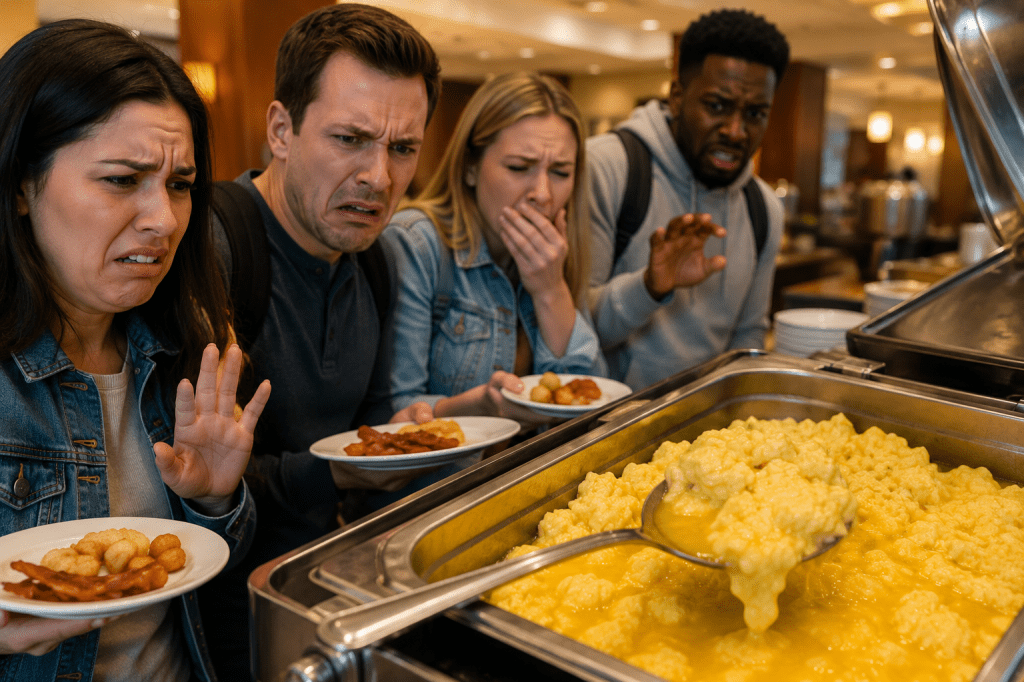
    A hotel kitchen employee posted a behind-the-scenes video showing large bags of liquid egg product being heated, cut open, and broken apart into what eventually becomes the scrambled eggs sitting in those stainless steel buffet trays. The internet reacted exactly how you’d expect, with some people swearing they’d never touch hotel eggs again, while others shrugged and said, “Hey, it’s free.” 

    Honestly?

    I laughed.

    Not because the process is necessarily gross, but because I’m not sure why anyone thought they were cracking hundreds of fresh eggs every morning at a hotel serving breakfast to 300 guests.

    Hotel Breakfast Is About Efficiency

    When you’re feeding a handful of people, you cook breakfast.

    When you’re feeding hundreds of travelers between 6:00 and 9:30 in the morning, you’re running a small food production line.

    Hotels need food that’s consistent, safe, fast to prepare, and easy to serve.

    That’s why many use pasteurized liquid egg products. They’re made from real eggs, just processed differently for consistency and food safety. 

    So no, this isn’t some massive hotel conspiracy.

    It’s just hospitality.

    But I’ve Never Been a Hotel Egg Guy Anyway

    If you’ve traveled with me, or followed Pags on the Go for any length of time, you know I try to get the most value out of every hotel stay.

    If breakfast is included, I’m absolutely going downstairs.

    I’m just probably not heading straight for the eggs.

    For me, the breakfast lineup usually looks something like this:

    • Plain Greek yogurt, if they have it.
    • A drizzle of honey if I can find some.
    • Fresh fruit.
    • A glass of milk.
    • Coffee, obviously.

    If I’m feeling like I’ve earned it after a long travel day…

    Sure, maybe I’ll grab a pancake.

    Life’s about balance.

    The eggs?

    I’m good.

    It’s Not Even About This Video

    Truthfully, this video didn’t change my mind because hotel scrambled eggs have always been a little… suspicious.

    You know the ones.

    Bright yellow.

    Perfectly identical.

    Somehow both fluffy and rubbery at the same time.

    Whether I’m staying at a budget hotel off the interstate or a nicer property from one of the major brands, they all seem strangely familiar.

    Now I know why.

    Eat What Makes You Happy

    Here’s the funny part.

    Millions of people have eaten these breakfasts for years without giving the eggs a second thought.

    Some people watched the video and immediately said they’d never eat hotel eggs again.

    Others basically said, “They’re free. Hand me another scoop.”

    Neither side is wrong.

    Travel is supposed to be enjoyable.

    If the eggs make you happy, have the eggs.

    If you’d rather build yourself a yogurt parfait and call it a day, that’s perfectly fine too.

    As for me?

    I’ll wave as I walk past the scrambled eggs on my way to the yogurt station.

    Travel smart,
    Tommy Pags